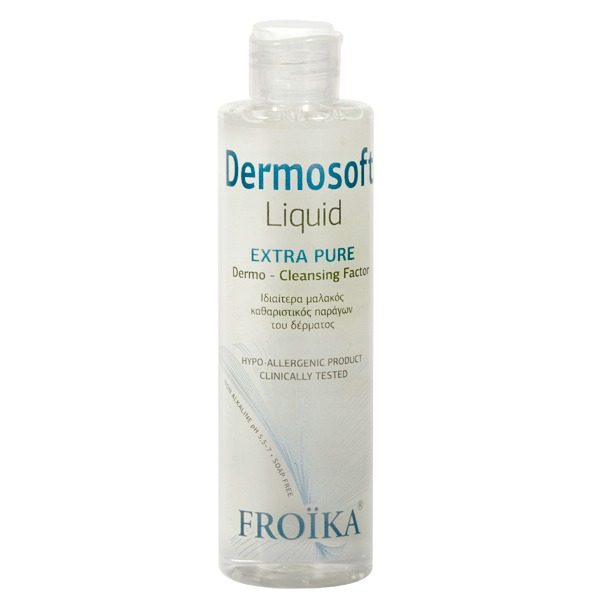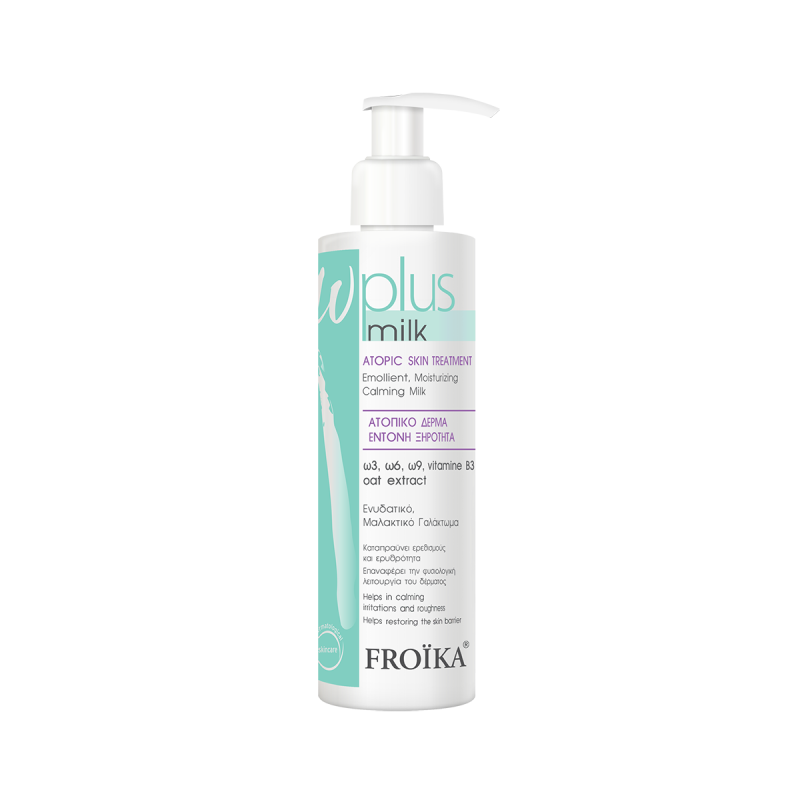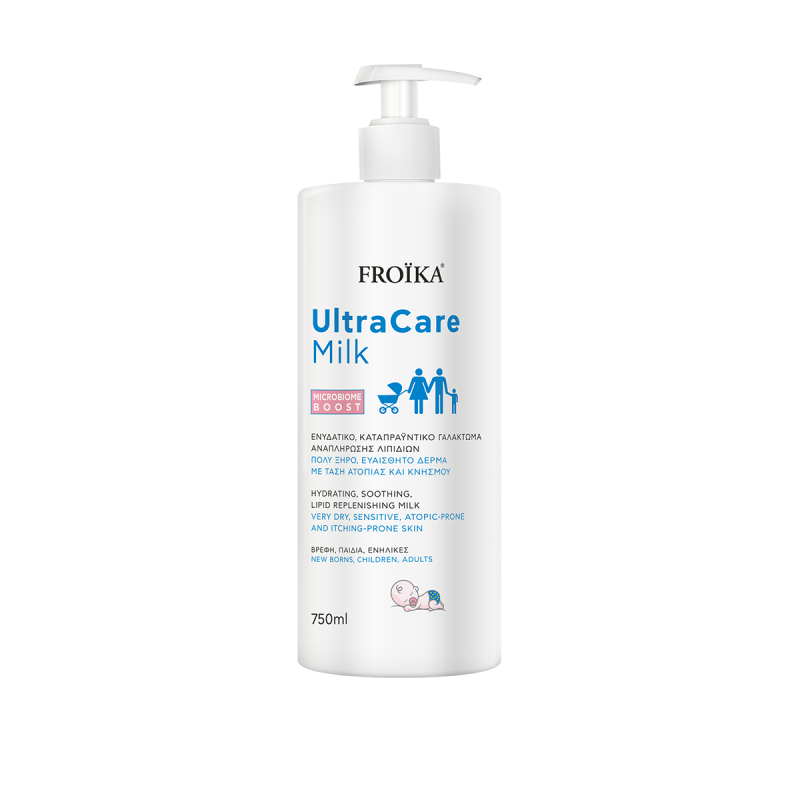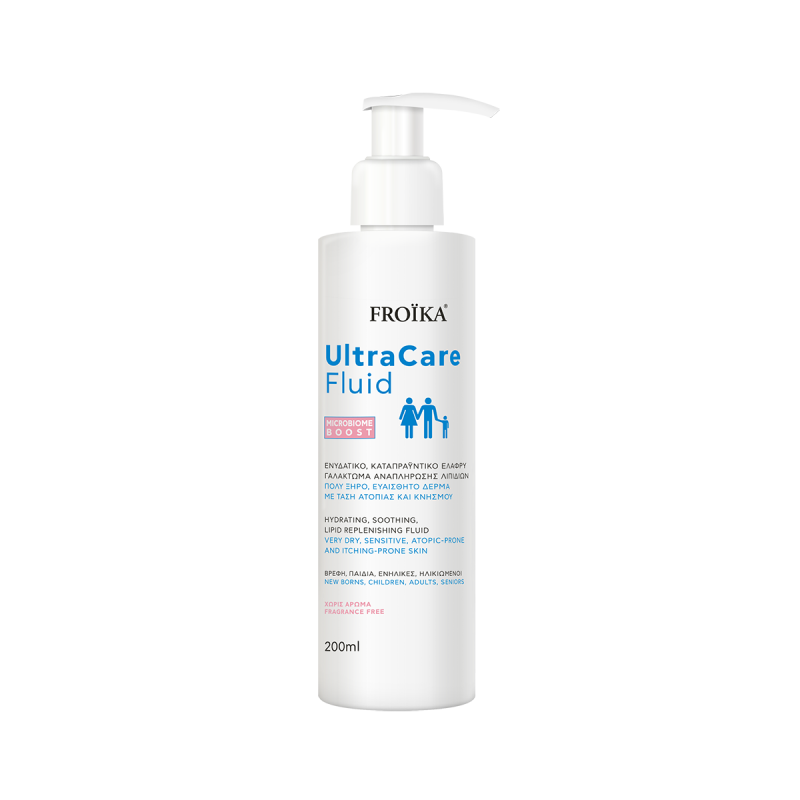
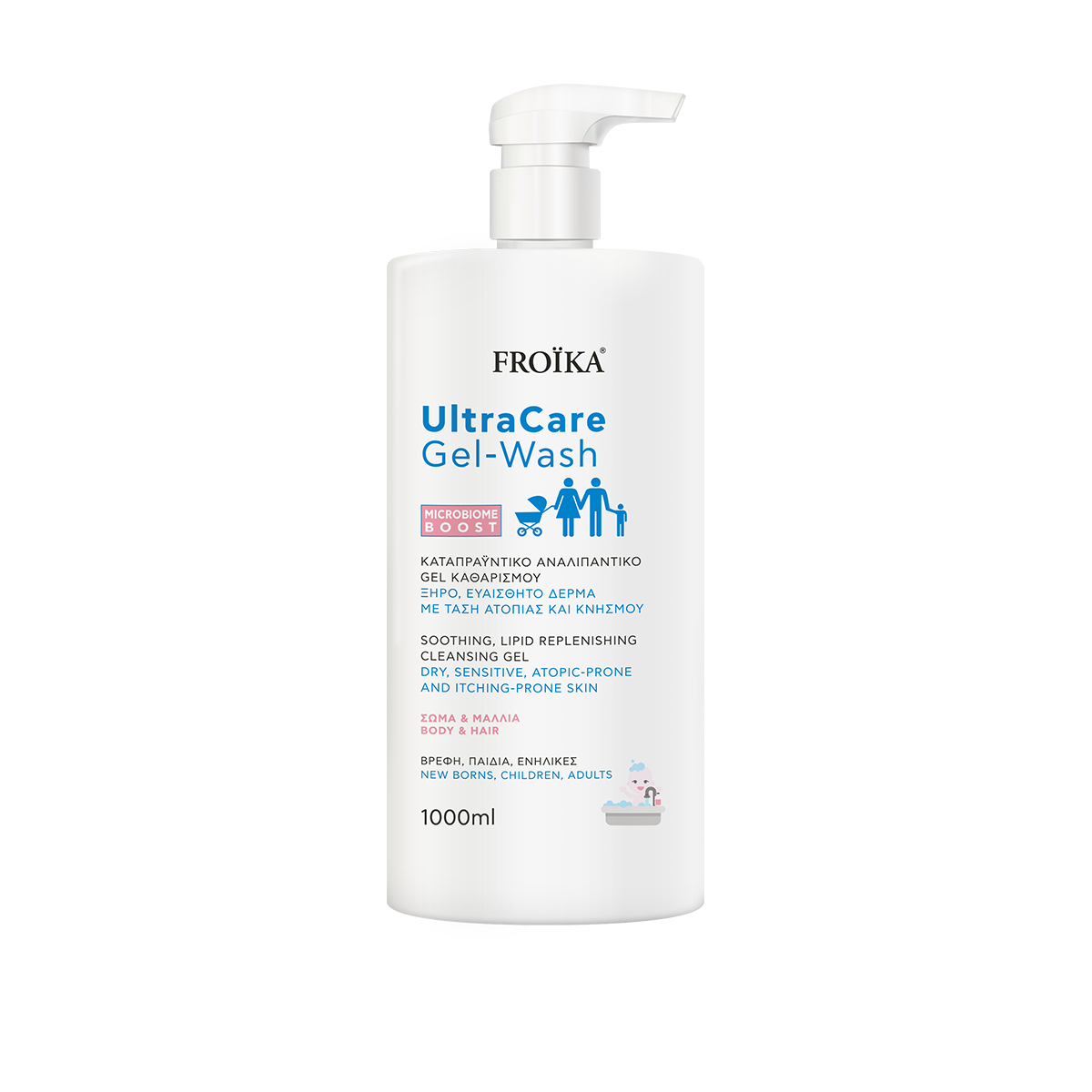
Atopic dermatitis (eczema) is a chronic disease that leads the skin to the appearance of severe dryness, redness and itching. It's common in children but can occur at any age, and tends to appear periodically. Treatment of mild symptoms is very important, and it can relieve the intense dryness, itching and prevent new outbreaks. It is necessary to avoid harsh soaps, regular hydration of the skin with the right products.
The symptoms of atopic dermatitis vary from person to person, some of which include:
• Dry skin
• Itching, which may be severe, especially at night
• Red to brownish-gray surfaces, especially in the hands, feet, ankles, wrists, neck, upper chest, eyelids, inside the bend of the elbow and knees, and in infants, the face and scalp
•Sensitive, swollen skin from itching
The microbiome is a network of micro-organisms and bacteria that constitute the normal flora of the skin. Microorganisms live in harmony with each other and with the cells of the skin. This ecosystem is a delicate balance and is a veryimportant piece of the defense of the skin as well as protects against colonization by opportunistic pathogens.Which leaks antimicrobial peptides (direct defence) and by stimulating the natural defenses of skin cells (indirect defense), the microbiome forms a double line of defense against opportunistic pathogens.
It has been observed that in cases of atopic dermatitis disrupting the balance of the microbiome. Dry skin has a mode of low-barrier, often increased inflammation, scaling and itching. The damage to the barrier function of the skin disrupts the skin's ecosystem and alter the natural microbial biodiversity. THE S. epidermidis, which helps restore the skin barrier and combat the inflammation is reduced while the S. aureus colonizes the skin and increases the rupture of the dam due to the release of infectious agents.